

Power for Progress…A weekly column from the Grand River Dam Authority GRDA and the benefits of hydroelectricity

Hydroelectricity from the start … An aerial view of Pensacola Dam, under construction in April 1940. GRDA has been producing hydroelectricity at the facility for 86 years.
Since its beginning in 1935, the Grand River Dam Authority has been in the hydroelectricity business. After all, Pensacola Dam – Oklahoma’s first hydroelectric facility — was built to harness the waters of the Grand River, and the river has produced a lot of megawatts of electricity for the state of Oklahoma in 80-plus years.
Of course, Pensacola is just one part of GRDA’s hydroelectric history. The Authority also built Robert S. Kerr Dam in the early 1960s, and the Salina Pumped Storage Project (SPSP) in the late 1960s/early 1970s. All together, these resources play a role in meeting the electrical demand of thousands of Oklahomans all across the state, and it’s all done with clean, renewable hydroelectric power.
According to the United States Geological Survey (USGS) hydroelectric facilities, like GRDA’s, “fit the concept of renewable energy” because these facilities use “running water, without reducing its quantity, to produce electricity.” At GRDA, that water is used repeatedly as it flows down the Grand River, through Pensacola Dam and Kerr Dam, and also as it is pumped up and stored at the SPSP.
However, there are other benefits to producing electricity with the power of falling water. Here are a few:
Hydroelectricity increases the stability and reliability of electricity systems because hydroelectric generator units, like those inside GRDA dams, can be started very quickly. At GRDA, this quick start capability can then be mixed with other portions of our diverse generation portfolio to quickly meet demand, keep rates low and reliability high.
Hydroelectricity contributes to the storage of drinking water. Did you know that GRDA lakes serve as storage for 50 Oklahoma municipal water systems and rural water districts, including Tulsa? Without the presence of hydroelectric plants, that storage might not be available.
Hydroelectric power helps develop the entire region. Today, the region around Pensacola Dam is the heart of a large and thriving tourism and recreation industry that relies on GRDA lakes as well as the low-cost, reliable electricity produced by GRDA.
There are other hydro benefits, but these are just a few of the reasons why the GRDA story, which began with Pensacola’s completion back in 1940, continues to be an important story for all of Oklahoma.
GRDA is Oklahoma’s largest public power electric utility; fully funded by revenues from electric and water sales instead of taxes. Each day, GRDA strives to be an “Oklahoma agency of excellence” by focusing on the 5 E’s: electricity, economic development, environmental stewardship, employees, and efficiency.
# # #
Originally published on 360GrandLake.com.
More GRDA Updates
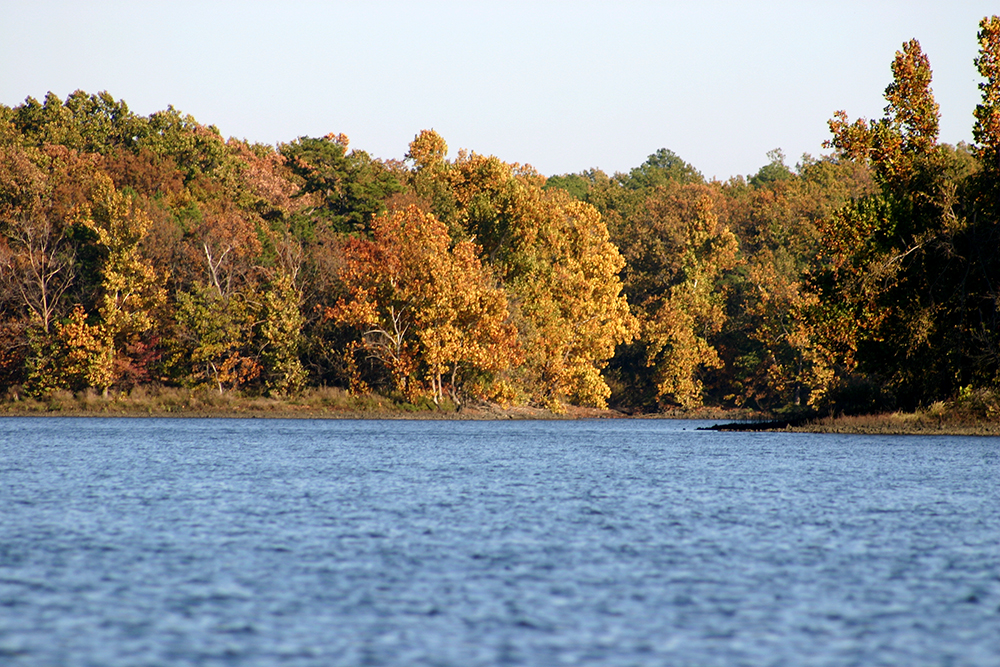
Boating and floating safety tips for the fall season
It is typical practice to share boating safety and lifejacket tips in the spring and summer months, during the midst of the busy boating and floating season on Grand River Dam Authority lakes and the

Electric safety tips for Halloween
While Halloween is meant to be both a fun and scary season, the Grand River Dam Authority wants to help ensure that the fun part stands out the most. With that in mind, here are a few Halloween-relate
From the GRDA history files
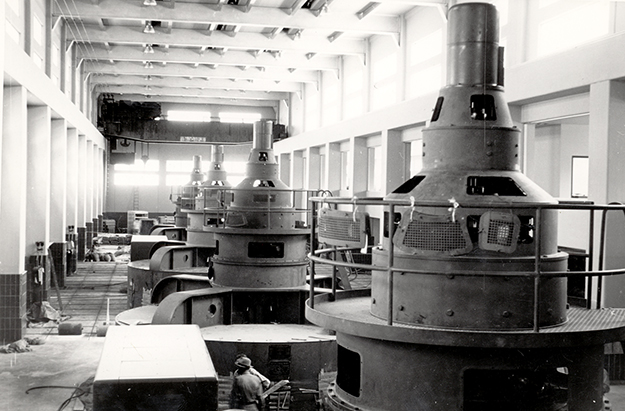
Completing the Pensacola powerhouse It was 86 years ago this week - October 23, 1940 - when the Massman Construction Company out of Kansas City, Missouri officially completed one of the most important